Experienced Automotive Mechanic Services for Reliable Vehicle Care
Expert auto mechanic support play a crucial role in preserving vehicle reliability. These professionals employ advanced diagnostic tools to detect issues accurately and provide superior repairs. Trust is built through warranties, while regular maintenance helps avoid unexpected breakdowns. Recognizing the value of skilled mechanics can significantly affect vehicle performance and longevity. However, not all mechanics are created equal. Choosing the right one can make all the difference in vehicle care. What should vehicle owners consider next?
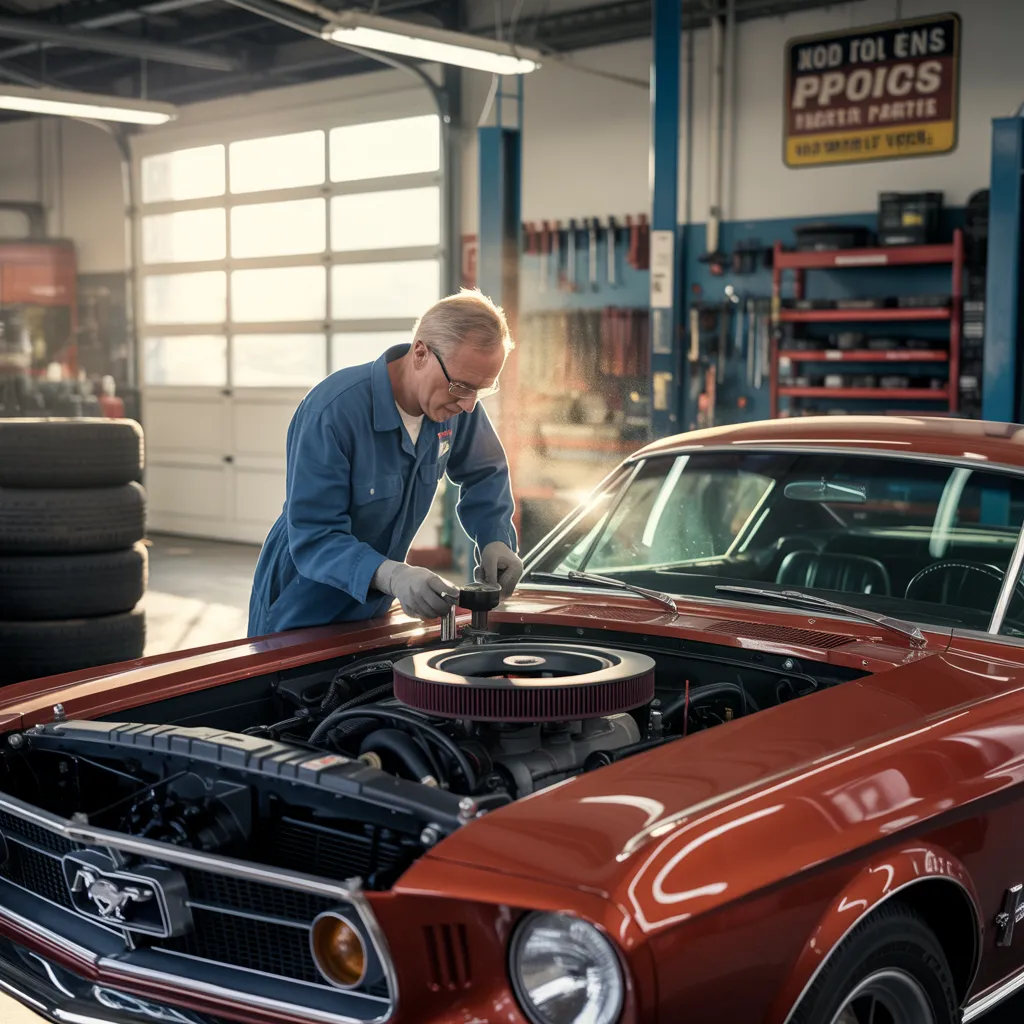
Why Pick Expert Auto Mechanic Services?
Moreover, competent auto mechanics frequently utilize advanced diagnostic tools, which allows for precise identification of issues that may elude less experienced technicians. They also tend to offer warranties on their services, providing peace of mind to vehicle owners. By prioritizing quality workmanship, these professionals help extend the lifespan of vehicles, ultimately saving owners from costly future repairs. Choosing expert services not only guarantees reliability but also establishes a trusting relationship between mechanics and clients, leading to better overall vehicle care.
How can you Choose Credible Auto Technicians?
Identifying reliable auto mechanics involves evaluating their credentials and training, which can demonstrate their degree of skill. Moreover, recommendations from peers can provide useful information into a mechanic's standing and dependability. Together, these elements can guide individuals in making informed decisions about their auto repair needs.
Certifications And Qualifications
Certifications and credentials function as vital indicators of a trustworthy auto mechanic's capability. Mechanics who have certifications from reputable organizations, such as the National Institute for Automotive Service Excellence (ASE), reflect a dedication to industry criteria and continuous education. These credentials often represent expertise in different automotive systems, assuring the mechanic can skillfully identify and fix issues. Additionally, manufacturers may offer specific training programs, leading to certifications that validate a mechanic's ability with certain makes and models. When pursuing reliable auto services, assessing a mechanic’s certifications can provide confidence of their competence and expertise. This focus on qualifications helps customers make informed decisions, ultimately contributing to more secure and more effective vehicle care.
Recommendations From Peers
Word of mouth remains one of the most reliable ways to find dependable auto mechanics. Recommendations from peers can provide valuable insights into a mechanic's abilities and customer service. Individuals seeking auto repair services should ask friends, family, and coworkers who have had good experiences. Online reviews and community forums can also serve as effective resources, allowing potential customers to gauge a mechanic's reputation. It is important to examine the specific services needed, as some mechanics concentrate in particular vehicle types or issues. Additionally, asking about pricing transparency and overall satisfaction can further improve choices. Ultimately, gathering multiple opinions fosters informed decisions, leading to a trustworthy mechanic who meets one's automotive needs.
Common Vehicle Owner Predicaments Properly Managed by Professionals
Many vehicle owners face problems that demand the knowledge of a professional mechanic. Problems such as persistent engine misfires, unusual noises, or warning lights can point to more serious mechanical problems that require specialized knowledge and tools. Transmission problems, such as slipping gears or fluid leaks, often require expert diagnosis to avoid expensive repairs. Electrical system malfunctions, like discharged batteries or defective wiring, are complex and can cause further complications if not handled correctly.
Additionally, brake system failures, whether they feature worn pads or hydraulic issues, demand immediate professional intervention to guarantee safety. Suspension difficulties, such as uneven tire wear or excessive bouncing, can impact vehicle handling and comfort, demanding expert assessment. While some minor repairs can be conducted by vehicle owners, these common problems are best handled by trained professionals to assure reliability and safety on the road.
Top 5 Advantages of Regular Vehicle Care
Regular vehicle maintenance plays an crucial role in preventing the typical issues that often necessitate professional attention. First, it enhances vehicle longevity, ensuring that components work properly over time. Second, regular checks improve safety by identifying potential hazards, such as worn brakes or faulty lights, before they become major issues. Third, consistent maintenance helps maintain fuel efficiency, leading to reduced operational costs. Fourth, it preserves vehicle value; a well-maintained car holds a higher resale price compared find guide to one with a neglected service history. Finally, regular maintenance fosters peace of mind, as drivers can trust their vehicles to perform reliably, minimizing unexpected breakdowns and repairs. These benefits highlight the significance of proactive care, ensuring vehicles remain safe, efficient, and valuable assets.
What to Prepare for When You Go for Auto Repair?
When visiting an auto repair shop, customers can usually expect an initial vehicle assessment to detect any issues. This evaluation sets the stage for common repair services that may be necessary, ensuring the vehicle is brought back to optimal performance. Understanding this process can help customers feel more informed and confident in their repair experience.
Beginning Car Analysis Approach
When you walk into an auto repair shop, it begins the vehicle assessment process, where a skilled mechanic meticulously evaluates the car's condition. This assessment commences with a visual inspection, examining exterior damage, tire wear, and fluid leaks. The mechanic then conducts a diagnostic check using specialized tools to identify potential electronic or mechanical issues. Customers may be questioned regarding any unusual sounds or performance problems encountered while driving, providing valuable context for the evaluation. Following this thorough examination, the mechanic gathers findings and may recommend further diagnostic tests if necessary. This initial assessment guarantees that the vehicle receives appropriate care, tackling both immediate concerns and underlying issues that may affect performance and safety.
Popular Service Offerings Displayed
Auto repair shops typically provide a range of common services tailored to tackle a variety of vehicle issues. Routine maintenance, including oil changes, tire rotations, and brake inspections, is essential for vehicle longevity. Additionally, diagnostic services help identify underlying problems through advanced technology. Repairs for the engine, transmission, and electrical systems are also frequently performed, guaranteeing peak vehicle performance. Services may stretch to suspension work, exhaust system repairs, and air conditioning maintenance, tackling both comfort and safety. Technicians frequently offer wheel alignment and battery services to enhance driving stability and reliability. Customers can expect clear communication about the repairs needed, ensuring they are informed throughout the process and assured in the services provided.
Why Expert Service Reduces Your Expenses Over Time
Allocating resources toward expert auto mechanic services can substantially decrease extended vehicle costs. Skilled mechanics possess the knowledge and background to spot and resolve issues before they develop into expensive fixes. Regular maintenance, such as oil changes and brake inspections, guarantees optimal performance and longevity, preventing premature wear and tear.
Additionally, professional mechanics can suggest high-quality parts that improve longevity, additionally minimizing future costs. By employing advanced diagnostic tools, they can accurately pinpoint problems, minimizing guesswork and unnecessary expenses.
By contrast, DIY repairs or repairs from unqualified technicians can produce recurring breakdowns and sudden issues, ultimately driving up overall outlays.
Frequently Posed Questions
Where Do I Search for a Reliable Auto Mechanic Near Me?
To locate a trustworthy auto mechanic, one should request recommendations from friends, analyze online reviews, validate credentials, and explore nearby businesses to judge professionalism and communication before making vehicle maintenance choices.
What Qualifications Should I Consider in an Automotive Mechanic?
When pursuing a skilled auto mechanic, one should identify qualifications such as ASE (Automotive Service Excellence), manufacturer-specific credentials, and state licensing. These signs display a mechanic's expertise, knowledge, and commitment to quality service.
Could I Undertake Basic Maintenance by Myself?
Yes, people can execute basic maintenance themselves, such as oil replacements and tire changes, provided they have the required equipment and knowledge. However, they should review instruction manuals and instructions to guarantee proper procedures are adhered to.
How Frequently Should I Get My Vehicle Maintained?
Vehicles need to be serviced every 5,000 to 7,500 miles or every six months, whichever comes first. Consistent inspections help assure peak performance, increase safety, and sustain the vehicle's lifespan for superior trustworthiness on the road.
What should I take care of if My Car Stops Working?
If a vehicle stops working, the driver should safely pull over, switch on hazard lights, and assess the situation. If necessary, calling roadside assistance or a tow service is wise to assure safety and proper handling.